Understanding AWS Networking
Amazon Web Services (AWS) provides a comprehensive suite of networking services that enable businesses to build sophisticated networks in the cloud. These services ensure secure, reliable, and high-performance connectivity while effectively delivering content to end users worldwide.
Did you know? AWS operates in over 100 edge locations globally, ensuring low-latency content delivery to users worldwide.
Amazon Virtual Private Cloud (VPC)
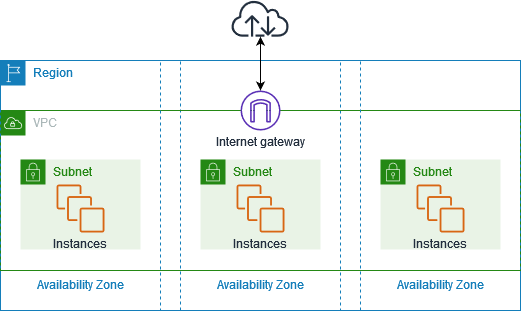
The foundation of AWS networking, VPC lets you create an isolated virtual network in the AWS cloud. This service provides complete control over your virtual networking environment, including IP address ranges, subnets, and routing tables.
- Create public and private subnets for different security requirements
- Configure custom routing and network gateways
- Implement multiple layers of security with Security Groups and NACLs
Key Features of Amazon VPC
- Customizable IP Address Ranges: Define your own IP address range using CIDR notation to ensure compatibility with on-premises networks.
- Subnets: Divide your network into smaller subnets, including public (internet-accessible) and private (isolated) subnets for resource segregation.
- Routing Control: Create custom routing tables to define how traffic flows between subnets, gateways, and other networks.
- Security Groups and Network ACLs: Implement layered security with virtual firewalls (security groups) and subnet-level rules (network ACLs).
-
Internet and NAT Gateways:
- Use an Internet Gateway for public subnet internet access.
- Deploy a NAT Gateway to allow private subnet resources internet access securely.
-
Private Connectivity Options:
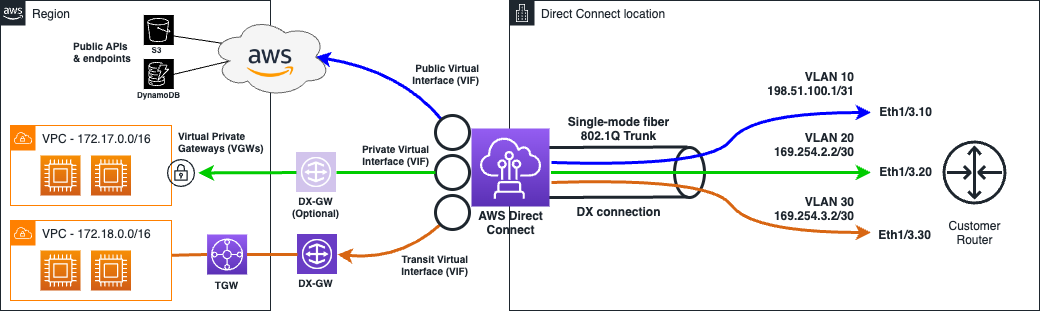
- AWS Direct Connect: Establish dedicated, private connections between on-premises data centers and AWS VPC.
- VPN Connections: Create secure VPN tunnels to link your VPC with on-premises networks.
-
Peering and Transit Gateway:
- VPC Peering: Establish a direct network connection between two VPCs, even in different AWS regions.
- AWS Transit Gateway: Connect multiple VPCs and on-premises networks through a central hub.
Benefits of Using Amazon VPC
- Isolation: Resources are isolated from other AWS customers by default, ensuring security.
- Scalability: Supports thousands of subnets and resources to meet growing needs.
- Flexibility: Customize IP addresses, routing, and network configurations to fit your requirements.
- High Availability: Leverage multiple Availability Zones (AZs) for fault-tolerant architectures.
- Integration: Seamlessly integrates with AWS services like EC2, RDS, and Lambda.
Use Cases for Amazon VPC
- Hosting secure multi-tier web applications with backend services in private subnets.
- Extending on-premises networks to AWS using VPN or Direct Connect.
- Building disaster recovery and backup environments in the cloud.
- Isolating sensitive workloads for compliance requirements.
Amazon VPC is the backbone for designing secure, scalable, and efficient cloud architectures. It empowers businesses to manage their cloud networking with precision and confidence.
AWS Direct Connect
Establish dedicated network connections from your on-premises infrastructure to AWS. Direct Connect provides consistent network performance and can help reduce network costs for high-throughput workloads.
- Reduce networking costs for large data transfers
- Achieve consistent network performance with dedicated connections
- Support bandwidth scaling from 1 Gbps to 100 Gbps
Amazon CloudFront
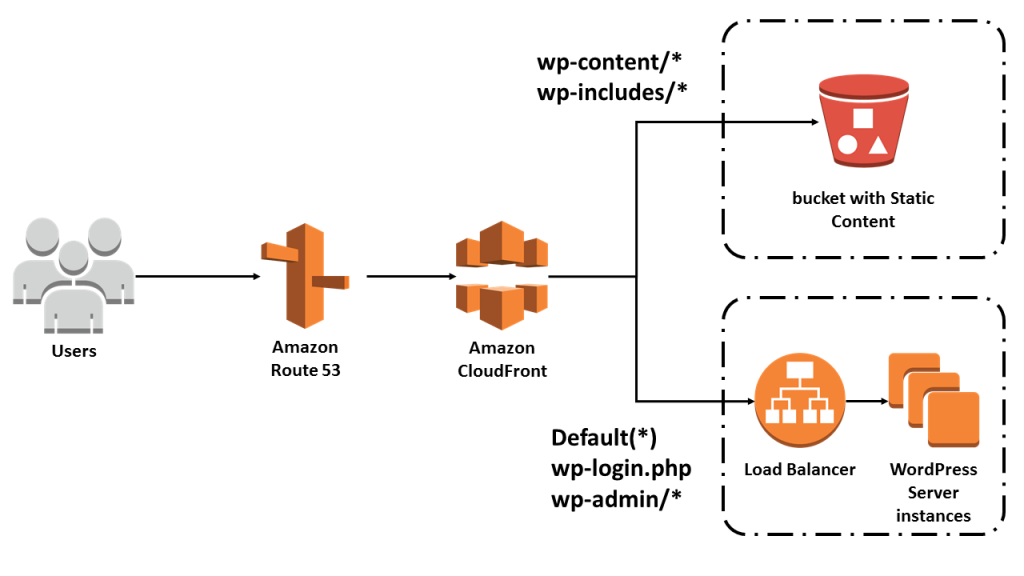
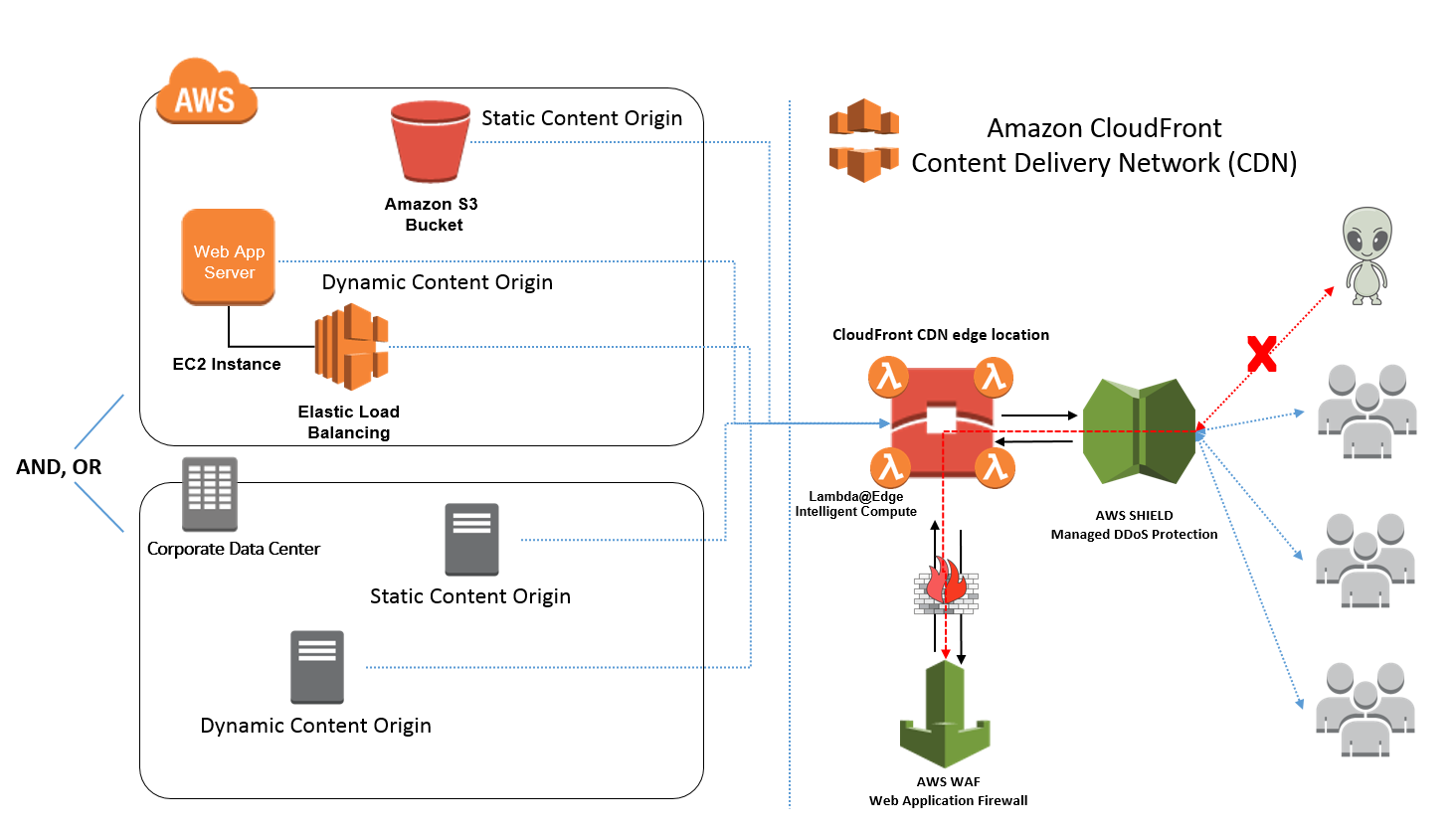
A fast content delivery network (CDN) service that securely delivers data, videos, applications, and APIs to customers globally. CloudFront integrates with other AWS services to provide enhanced security and performance.
- Global network of edge locations for content caching
- Integration with AWS Shield for DDoS protection
- Real-time metrics and monitoring capabilities